
A useful website helps visitors understand where they are, what you offer, and how to take the next step. The design should support that journey.
Start with the visitor’s question
Organize pages around what customers need to know. Give services clear names, explain who they are for, and make important contact details easy to find.
Make the next action clear
Use descriptive links and a consistent main action. Keep forms focused, label every field, and explain what happens after the visitor submits their information.
Review beyond the desktop
Check mobile layouts, readable text, keyboard navigation, visible focus, and image loading. Motion should support the experience and respect reduced motion preferences.
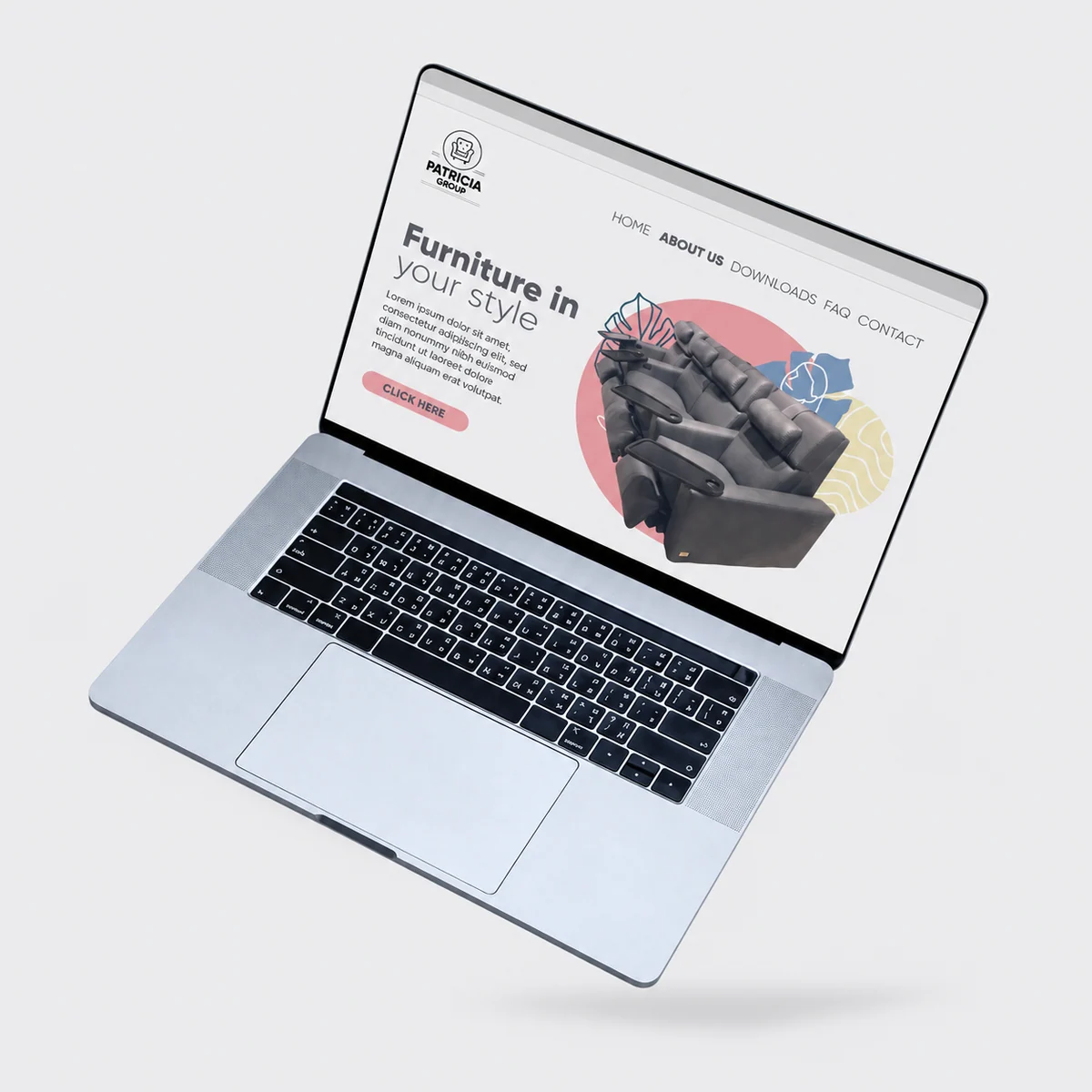
Featured artwork: a client design example from the Dalmark portfolio.
← All journal articles